Skip Navigation
Volunteer Cambs Home
  • Volunteers
  • Organisations
  • Corporate Volunteering
  • About Us
  • Contact
Create accountLog in

Contact

  • The Maple Centre, 6 Oak Dr, Huntingdon PE29 7HN, UK
  • [email protected]
  • 01480 420601
Volunteer Cambs

Volunteer Cambs

  • For volunteers
  • For organisations
  • Corporate Volunteering
  • Contact
  • About us

Join

  • Activities
  • Discover Community organisations
  • Create Community organisation
  • Create account
  • Login
  • Help
  • Policies
  • Privacy Policy
  • Terms

Powered by Deedmob tools

Post | July 2025 | Volunteer Stories | 2 min read

Would you like to be a Hearing Help volunteer?

Written by

Cambridgeshire Deaf Association

CDA Hearing Help logo

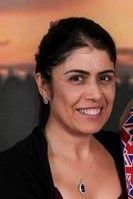
Linda Gilling tells us a little bit about her experience being a CDA Hearing Help Volunteer


Tell me a little bit about your volunteering role?

I am a hearing aid technician. I change the tubes on hearing aids and clean them so that the wearer can hear better, which is very important for them.


What made you want to volunteer? 

I volunteer for a few different groups. My mum and husband wear hearing aids, so I understand how much it means to them to be able to hear properly, especially in social areas.


How did it all start?

Well, my husband saw the advert on our local Facebook page asking for volunteers …..so here I am!


How does volunteering make you feel?

Coming from a background of a healthcare practitioner, I’ve always wanted to help people, it makes me feel like I am doing good for the community.


What do you enjoy most about volunteering?

Meeting lovely people and knowing that in some small way, you have affected their life to make it better.


Do you have a particular highlight?

Not a particular one, but seeing people's eyes light up and a big smile when they can hear better after the maintenance of their aids.


Do you feel supported and appreciated in your role?

Yes, definitely. Not only Riley and Gerry, the lovely and caring ladies, have really helped me, but the other fantastic volunteers are always happy to help. Everyone is so friendly.


Does volunteering make you feel more connected to your community, if so – how?

I moved here 3 years ago, and it’s been a way to meet the local community and connect with them.


Would you recommend volunteering to others and why?

Yes, always. If we are able to, volunteering is needed so much in so many areas, especially health. I feel if we can all do our bit to help, it’s important.


Do you have any advice you’d give someone that was thinking about volunteering?

Yes, do it, don’t be scared, help is always there from wonderful caring people and training is great. Remember, learning something new, whatever age you are (and I’m 61), helps our brains too!


Do you feel volunteering has changed your life?

Good question. Yes, it gets me out. I could easily be a ‘couch potato’.

And it’s rewarding. Helping other people is something my parents always taught me and I have passed this on to my children and grandchildren.

Find out more about volunteering with CDA
Share Post
Related Posts
Abi eating a afternoon tea

What started a placement quickly turned into a passion.

| Volunteer Stories

Learn more about how Abi went from placement to valued volunteer.
See more
Two gentlemen sitting in a car at the front. Phot taken from the door of the driver.

How driving can change someone's life

| Volunteer Stories

Community transport schemes are just one of the many ways to support your local community. Not only are these great if you like to drive or meet an extensive range of people, but they often can be flexible roles so they can fit around your busy lifestyle. Most community transport schemes support older residents and offer a unique service for those unable to afford taxis and have mobility difficulties or have little or no access to public transport. Volunteers generally receive a set amount for their mileage. This isn't the only reason they giving up their precious time, as explained in these stories from volunteers at Huntingdonshire Volunteer Centre . Paul’s* story: "When I was asked to write a few words explaining why I became a volunteer driver, I couldn't think of any reason except that I like volunteering, which is true! As always, I get a lot of satisfaction from it, and it gets me out of the house (important when you are retired). But it's not about me. I have been surprised at the amount of money old folks have to pay in taxi fares to get to and from the hospital – we can do it for a quarter of the price if the driver is prepared to wait. I take the view that I might as well read the paper in my car, as I would only be doing the same thing at home in my armchair (you do have to run the engine periodically on a cold winter's day). When available, hospital transport can involve waiting for very extended periods. People are always very grateful and often pay more than strictly necessary – I don't dissuade them but always explain very carefully that any overpayment is an additional contribution to the charity. Careful record-keeping is required! I prefer longer journeys as I feel more as though I have done a 'proper job'. However, one of my regular clients only ever needs to visit a local vet with her cat, a round journey of 6 miles. She has spent over £100 (total) at the vet's in the 4 or 5 times I have driven for her but the bonus is that I now have a very good knowledge of cat ailments. I can't lay claim to being a good listener but I'm learning. I would add that the office staff are very efficient and kind, despite some frustrations. Now, they are good listeners." Sandra’s* story: "I am a volunteer driver for Huntingdonshire Volunteer Centre, and although I'm not always free to take on a drive, I'm more than happy to be asked. The ladies who manage the bookings are so lovely to deal with. I have met some fascinating people, and giving them company and a helping hand is so rewarding. Many of the volunteers are a bit older than myself, so it is always nice to be greeted with "aren't you young" when they meet me. Whether it is taking people to the hospital, doctors, dentist or the shops, you realise how vital this service is for so many people. They are all so grateful, and I've had some amazing chats and certainly learnt a thing or two. It is often the case that I am the only person that they have seen or spoken to that day. One Lady, I took recently asked me if I would mind taking her to the mobility shop after her appointment so that she could get some shoes. We had quite a laugh in the shop choosing the shoes as she wasn't keen on the choices - she really wanted a pair of heels! She might have been nearly 90 but she still didn't feel quite old enough for the sensible shoes on display!" Tony's* Story: "My role as a volunteer driver gives me huge satisfaction. Many people live alone, have been in isolation, and contact with someone different can help hugely. To know that someone looks forward to a five weekly Podiatrist visit with enthusiasm helps keep me grounded. Most of the people I have been involved with are ladies, who have been a joy to assist. A story which I would like to repeat. I took a lady for a regular appointment to Huntingdon and, whilst there, told her I was popping to my former company to drop in birthday cards for staff in September. When I returned, she asked if they were pleased I dropped them in. Yes, that was my answer. Fifteen minutes later we are in Tesco collecting 13 cards for her friends and family. The lady had forgotten her reading glasses, so I read the messages on all the cards. On the way down the escalator, the lady saw Christmas sweets and chocolates, we collected some of these too. Did we at Huntingdon Volunteer Centre make a difference that day for this individual? Yes We gave her the OPPORTUNITY to have a change of landscape. I think this means the world to all concerned. Thank you for my opportunity." Many of these projects are not only looking for support with the driving, but they are also looking for support with the administration. Emma* tells us her story. "I have been volunteering in the car scheme administration team for several years as one of the "girls" in the office. I enjoy it because it uses the administration skills from my previous working life, makes me feel useful and is also very rewarding. Just recently, I was able to help a lady from the village where I live, who was looking for help from the St Ives scheme, needing many lifts for medical appointments. She had not heard of the village scheme, but I asked the village scheme coordinator to contact her, and now she has all the help she needs. To hear the relief and gratitude from the clients when you can find them a driver is very rewarding. It can be very demanding with constant phone calls and changing priorities but this is good for a mental workout!" If you would like to get involved in a community transport scheme, search through opportunities on Volunteer Cambs and see what is needed in your area, there are a number of schemes always looking for support. Thanks go to the volunteers of Huntingdonshire Volunteer Centre who gave us their stories. Please note that the names of the volunteers have been changed.
See more
Young lady standing in a field looking at the camera.

Barriers To Volunteering That People Might Experience

| Volunteer Stories

Hello! It’s Amy here and I’m going to give you an overview of what barriers people might come up against when they’re looking for voluntary work. As you might be aware… It’s important for both the volunteer and the charity or group that they volunteer with, to understand each other and for the volunteer to feel supported in their role. Some people with certain disabilities may expect you to know how they want to be supported, but if you don’t, then they would be happy to talk to you about it and you just need to ask. Have you ever thought that it might be worth asking people what they feel comfortable with and try to adjust as much as you can to make them feel welcome? Everybody is different and might struggle in their own ways, but I would like you to think about a few examples and put yourself in their shoes. The potential volunteer may find the application process difficult (for example, if it has to be done online and they don’t have access to the internet). Some find reading and writing challenging, and others understand pictures easier than words or people from other countries may have limited understanding of English. If references are needed, then some people may find these difficult to obtain, particularly if they have never worked before, and you didn’t explain that they could be character references from people who they know. If there’s an interview process, then some might find it very nerve-racking meeting new people for the first time, might need to be given more time than others to answer questions and some questions may need to be explained and made easier to understand. Some might struggle to look people in the eye when they’re being spoken to (some people with Autism might even find it painful) and it may be considered rude in other cultures. And some people with specific disabilities or health conditions may say or behave in a way that most people view as rude or inappropriate, but they don’t mean to offend anyone (and of course, they deserve the same chances as everyone else). There are lots of different barriers that people might face when looking for volunteering opportunities. The potential volunteer may have issues with transport (like unreliable bus services and other means of transport being very expensive). Some people are sensitive to certain temperatures and might feel unable to come to their voluntary work if it’s too hot or cold. Some need to take more time off than others so that they can keep appointments that are important for their well-being. People with certain disabilities may struggle in particular environments (but still want to work in that setting). People from differen t cultures might need to take time off for religious events (and might not feel comfortable to wear certain clothes if there’s a uniform involved). Some people may need to take breaks at certain times so that they can take medication that’s important for their well-being and some people may need a quiet space to relax for a bit (people who have Autism and experience sensory overload might need somewhere where they can chill out for a bit and “stim”). Some people who have Tourette’s may have tic attacks where they need to be on their own for a bit (these can be exhausting). People who have epilepsy may need someone to stay with them after a seizure and if able to be moved once they have come out of it, then it might be good to have a quiet place for them to relax. People who have mental health issues may need somewhere to chill if things get too much for them and they need a break. People who have physical disabilities or health conditions may need adjustments made so that they can work comfortably (with things at their level if they need to sit down) or easy to reach if they have to reach up and are able to do so. Some people (no matter what their disability or background) may want or need someone to support them until they feel comfortable in their voluntary role (like a mentor). I wanted you to see how much effort people put into becoming your volunteers, especially when they have to face so many barriers. It’s very important for you to know, not only because you can support them better, but also because I feel it will make you appreciate them more. If you are a volunteer or an organisation and want to write a blog for Volunteer Cambs please get in contact with [email protected]
See more